Renovation // Transformation

Renovation // Transformation, This Modern Life

Bye, Conquistadoor

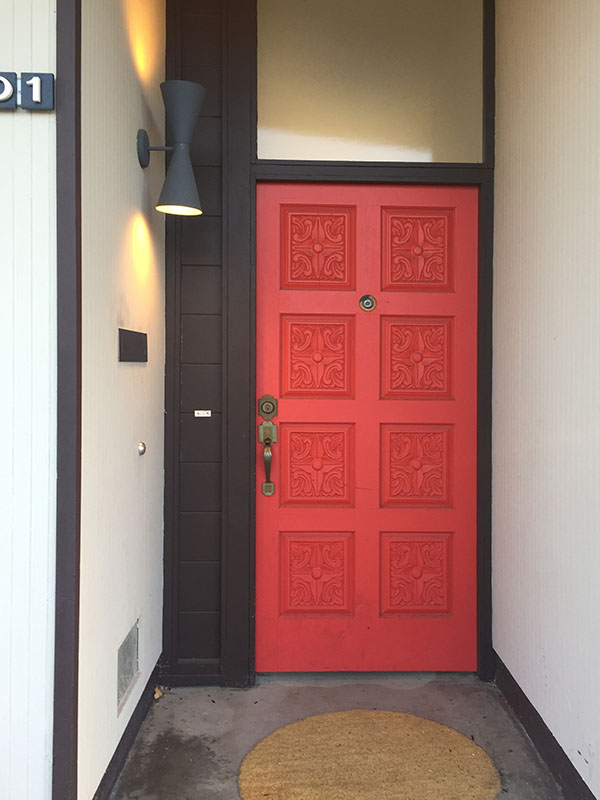
Chris and Sara had the original "conquistadoor"… the poorly placed Spanish revival door more appropriate for a Taqueria than an Eichler. It needed to go and they had been counting the days until its departure for some time. Chris even started using a hashtag: #byeconquistadoor …

Chris booked a day in December and we took care of business. Since the weather has been so cold and wet, we were just now able to finish off painting.

IMG_1885

Bellini_01Before and after…

Renovation // Transformation, This Modern Life

Wired 2.0

One of the first things we did when we bought the house was to plan the wired house network prior to putting on the foam roof. This was a good move in a number of ways and we've gotten a lot of use out of it.

We wired each room (8 runs total) with cat-6 (data), cat-3 (phone) and RG6 (cable) and installed plates in each room. We plumbed everything into a central wiring box that handles the distribution along with hubs to handle each of the cable runs and clusters. We were even able to get some speaker runs (back/surround) in place before the foam went on. Although not terribly complex or costly (comparatively… all-in, i think it was $500), it's a pretty robust system and definitely something to plan if you're putting on a new roof… along with some new electrical for exterior lighting. This was one of the things we liked when working with Rick at Abril roofing. He worked with us to separate the "scrape" from the "foam and coat" which allowed for this to happen.

Screen Shot 2015-11-08 at 6.40.06 PM(One of the things about writing this post is that it reminded me that I ran cat-6 instead of cat-5e wire… yay, me!)

Renovation // Transformation, This Modern Life

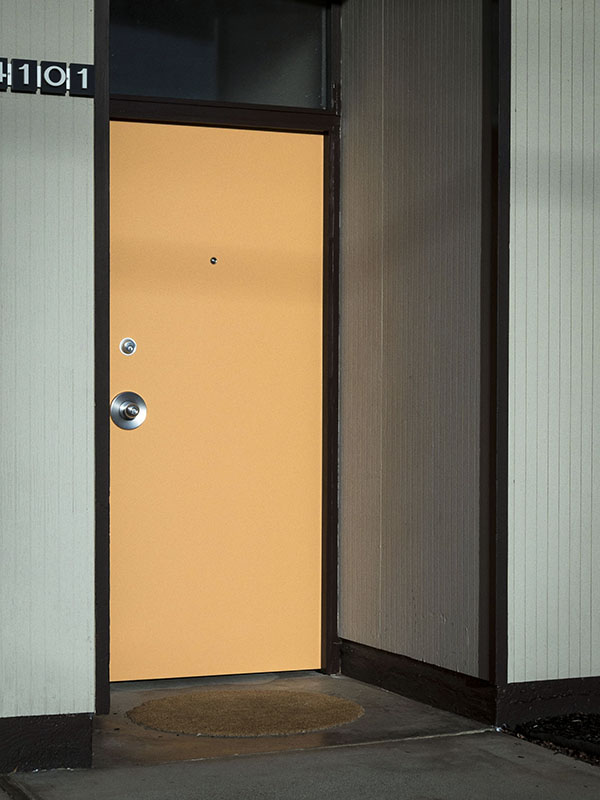
Nicola and Wilson’s new front door

Wilson dropped me a note a few weeks back. He and his wife Nicola recently bought a house in Marin that really needed a new front door.

We've done a few in the area, but never one that opened into the house directly — most Eichler doors open into an atrium. This presented a bit of a challenge as the door needed to not only be good looking, but also weatherproof, which required weatherstripping, a solid threshold and a better attention to fit as everything needs to seal up nicely.

A few emails later and a trip up to get the door for matching, I was back on site fitting the new door, threshold and weatherstripping. The results were quite nice.

"Hey Hunter. It’s the best door ever, no question." – Nicola


Door
(Before and after // Thanks to Wison and Nicola for the photos)

Renovation // Transformation, This Modern Life

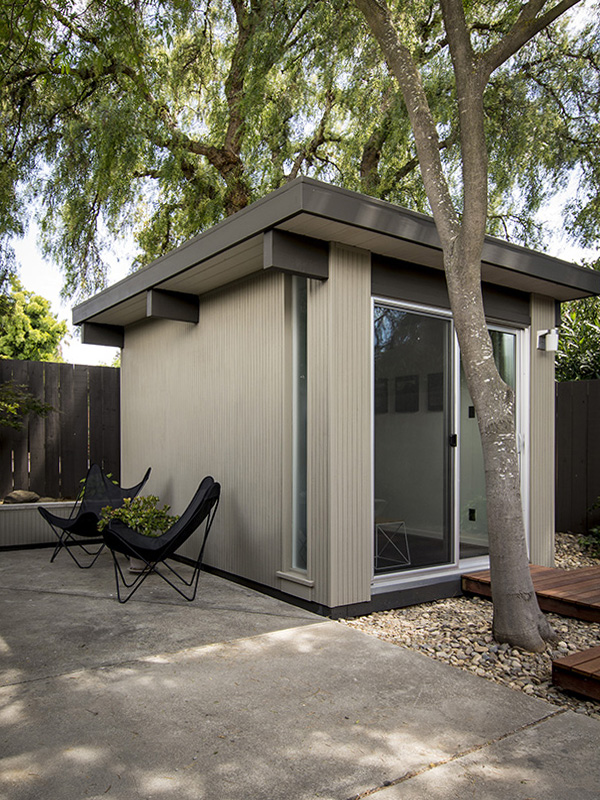
The Poolhouse

We've affectionately begun to refer to the MicroEichler as the "Poolhouse" partly because it sounds impossibly posh and partially because, well, it's adjacent to the pool. In the end, it will be an all-purpose room and part-time office (and part time nap-space) and we broke it in this weekend. Yes, naps here are indeed nice.

We got all of the furnishings in — and, although it doesn't have a lived-in look yet (and it still has that "new sofa" smell), I thought I'd take some photos. There's obviously still some work to do around the pool deck, but that'll be later in the summer.

Poolhouse_01

Renovation // Transformation

A tale of two gates…

I take pride in the work I do… and it's disappointing when someone in the trades charges full price and doesn't do the same. A few weeks ago, a fencing project wrapped at my friend and neighbor's house. Most of the job was decent looking at 50 feet, but when you got close, some sloppiness began to show.

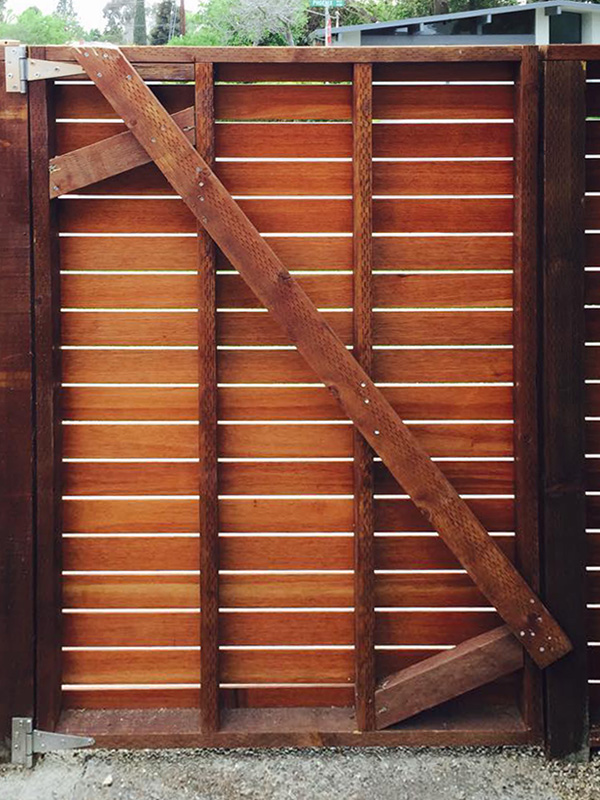
And then you looked at the back of the gate (and sloppy doesn't begin to describe the hack-job).

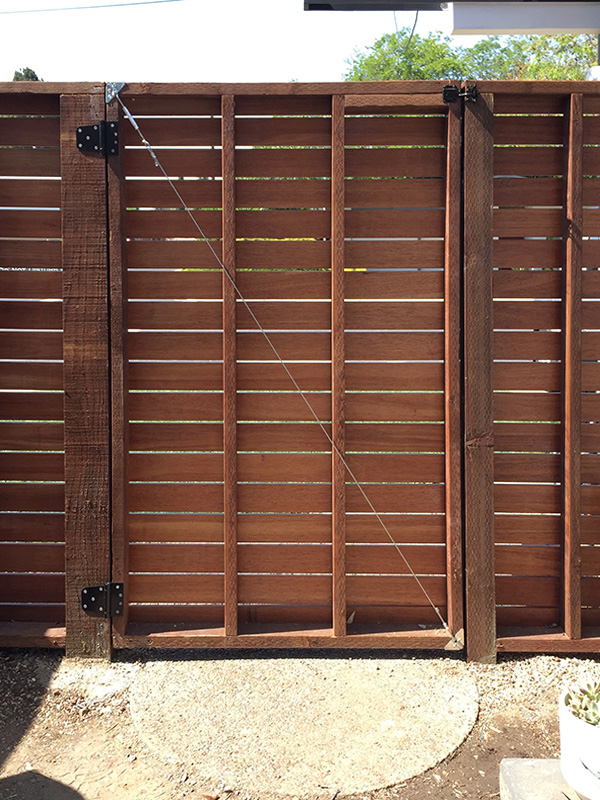
I stopped by today to give it a proper fix. The previous job had a rough-cut 2X4 screwed in with dozens of crooked screws, already rusted hardware and all-in-all terrible job. In less than two hours (and $40 in materials), it was finished properly and was adjusted to close as it should with self-closing hinges and an properly trimmed and crimped support cable.

Before

Before

After

After5

Renovation // Transformation

The Camo Deck System…

We recently tore out a hardwood mahogany deck (cumaru) that used Ipe-Clips as the fasteners… the hidden part was nice, but the installation was painful — cutting slots for each of the clips, aligning it all, etc. … it was a labor nightmare. Worse were the gaps which somehow ended up being tighter than the clips themselves — and when the wood got wet, it swelled and buckled. Removing it wasn't fun, but necessary.

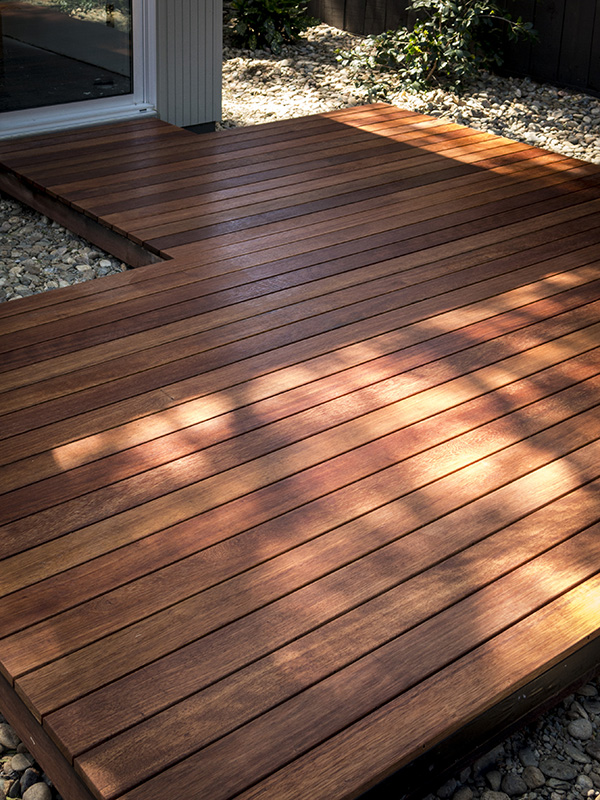
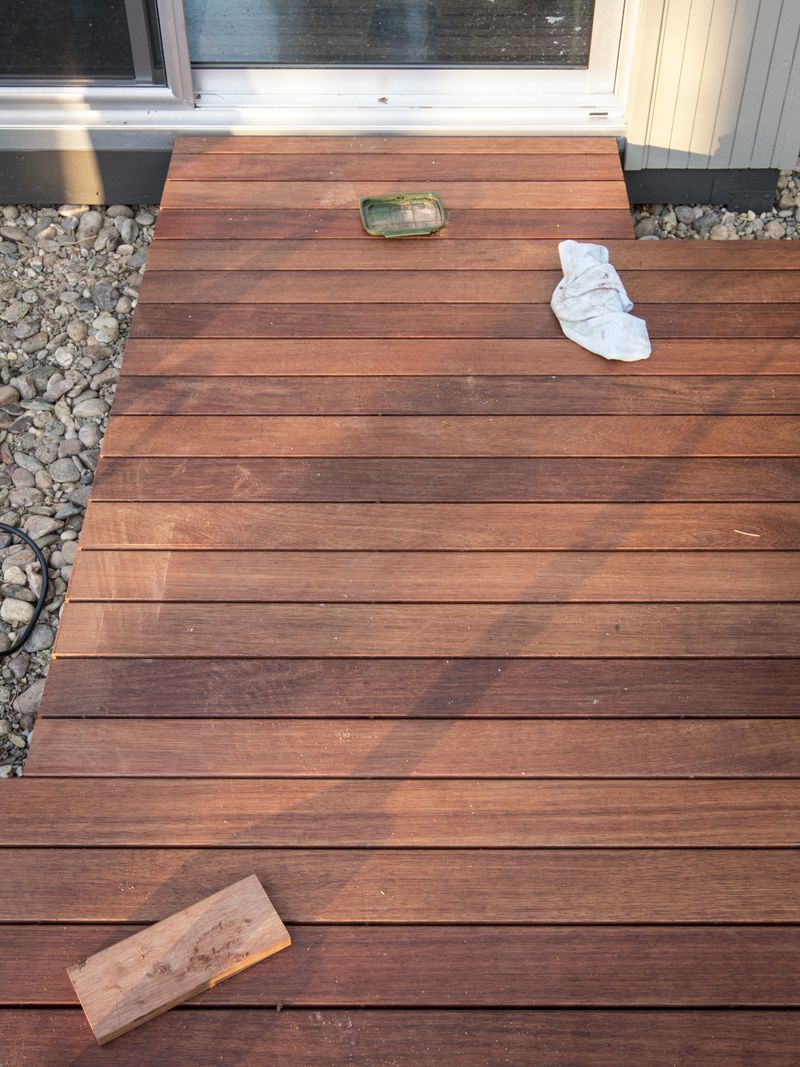
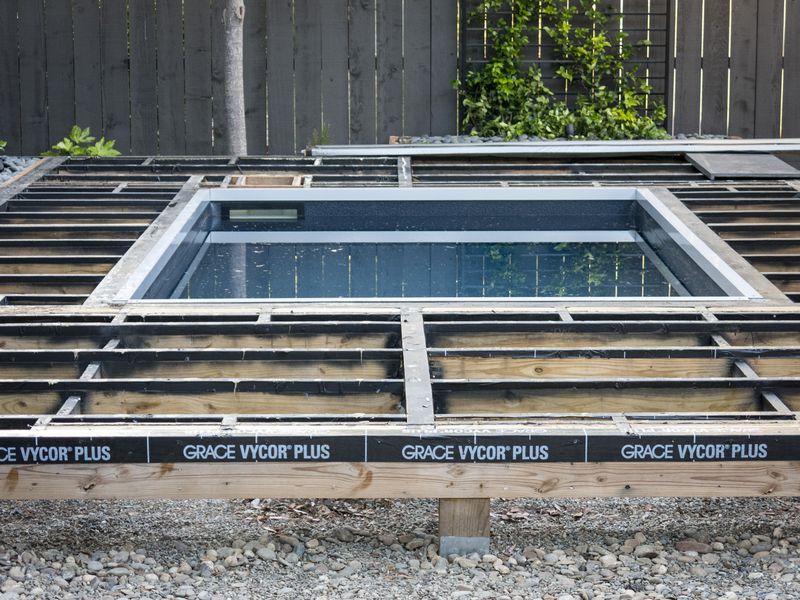
Now, I'm installing another, smaller deck using a softer mahogany (cambara) and using the Camo system… and it is fantastic.

Deck_02

Since the boards are 3.5in wide, I got the NB model made for narrow boards (3.5in – 5in). It's a very well engineered and sturdy piece of kit.

Granted, had the cumaru been grooved, the installation with the clips would have been easier, but it would have left a water-collecting groove and a very weak point in the board.

You can research the Camo system and read what it does — that's not the purpose of this post. Instead, I wanted to chime in on how well it worked and how much easier it was that the Ipe-Clips. If you're contemplating an install, the Camo is worth a look and in the end, a lot cheaper and provides a far more secure installation.

The holding power of the Camo system comes from screws fired at an angle straight through the side with no clips involved… it's very quick to install and leaves only a small hole that's easy to fill with caulk, filler, etc. (or leave as is, but it is a weak point for water to collect and cause issues). In my installation, I was able to caulk one side after the install of the board after each install and I will go back and fill the other side). Oddly,the installation of the adjacent board leaves a bit of sawdust in the groove that I was able to mash in with the caulk. I'd imagine that you could fill with type-3 glue instead of caulk (or a mix) and have a nice filled plug in the end (a popsicle stick helped with the smoothing).

Although pre-drilling isn't supposed to be necessary, I found it to provide a cleaner hole and fewer install issues… which actually saved time in the end as a single misfire would take longer to repair than all of the pre-drills combined (it's really only a second or two per hole). A driver with the Camo-bit and a drill with the drill-bit was good to have in this case.

The gaps (3/16) that the jig leaves is generous, but given our past experience with gaps, a bit more is likely better and it will ultimately let the deck drain and dry a bit better.
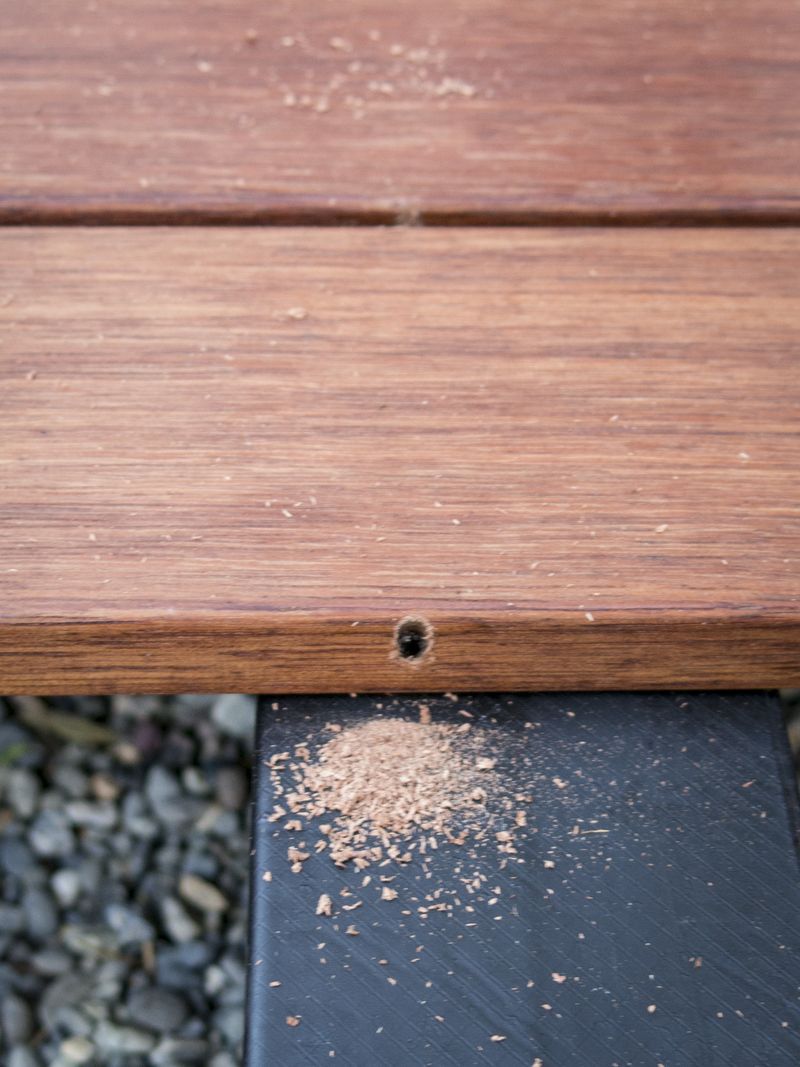
Deck_03


Scroll to Top